
Get Grease Trap Pumping in Port Charlotte, FL
Grease trap pumping services in Port Charlotte, FL, help property owners prevent clogs and odors by removing accumulated fats, oils, and grease from restaurant and commercial systems.
Property owners in Port Charlotte, FL, who manage commercial kitchens, restaurants, or other facilities with grease traps understand the importance of regular maintenance to keep systems functioning smoothly. Proper grease trap pumping helps prevent costly backups, foul odors, and potential violations that could disrupt daily operations. Exploring professional services ensures that grease traps are cleaned efficiently and thoroughly, supporting the ongoing health and safety of the property.
For those planning maintenance projects or seeking reliable service providers, it’s helpful to compare local contractors experienced in grease trap pumping. Connecting with qualified professionals in the area can provide peace of mind and confidence that the work will be handled correctly. Keep reading to learn more about how local service providers can assist with your grease trap maintenance needs in Port Charlotte, FL.
- Grease trap pumping - needed when grease buildup causes blockages or foul odors in commercial kitchens and restaurants.
- Grease trap cleaning - required to prevent overflow and maintain proper wastewater flow in food service establishments.
- Grease trap maintenance - essential for property owners in neighborhoods like Port Charlotte, FL to avoid costly plumbing issues.
- Commercial grease trap services - appropriate when local restaurants or cafes experience frequent clogs or regulatory inspections.
- Emergency grease trap pumping - necessary if a grease trap overflows or leaks, impacting nearby businesses and property operations.
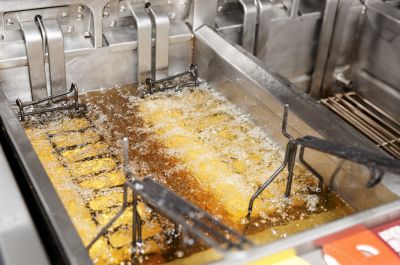
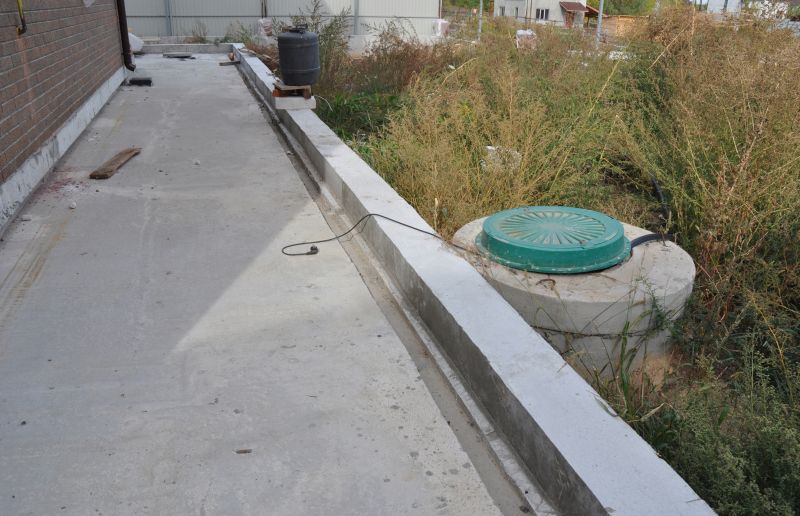
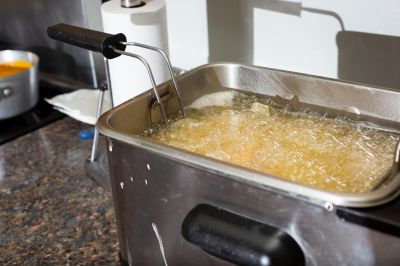
Grease trap pumping services involve the removal of built-up fats, oils, and grease (FOG) from grease traps installed in commercial kitchens, restaurants, and food processing facilities. Over time, these substances accumulate and can interfere with the proper functioning of the trap, leading to potential blockages or backups. Professional service providers use specialized equipment to safely extract and dispose of the collected FOG, helping to maintain the trap’s efficiency and prevent unpleasant odors or plumbing issues. Regular pumping is essential to ensure that the grease trap continues to operate effectively and to avoid costly repairs or health code violations.
One of the main problems that grease trap pumping services help address is the risk of foul odors and plumbing blockages caused by excess FOG buildup. When grease accumulates beyond the trap’s capacity, it can escape into the plumbing system, causing clogs and slow drains. This not only disrupts daily operations but can also lead to expensive plumbing repairs. Routine pumping by local service providers helps prevent these issues by removing the grease before it reaches problematic levels, ensuring that commercial kitchens and food service establishments stay compliant with local regulations and maintain a clean, odor-free environment.
Grease trap pumping services are commonly used by a variety of property types that generate significant amounts of FOG. Restaurants, cafes, and catering businesses are primary users, as their daily food preparation produces large quantities of grease that must be managed properly. Food processing plants, grocery stores with in-house kitchens, and institutional facilities like schools and hospitals may also require regular grease trap maintenance. Even some residential properties with large-scale food preparation areas might need periodic pumping if they have commercial-grade grease traps installed. These services are vital for keeping plumbing systems clear and preventing operational disruptions caused by FOG buildup.
Homeowners or property managers in Port Charlotte, FL, and nearby areas should consider grease trap pumping services when they notice slow drains, foul odors, or after a certain period since their last maintenance. If a property has a commercial kitchen or food service operation, routine pumping can help avoid unexpected plumbing problems and ensure compliance with local health and safety standards. Contacting experienced service providers can help determine the appropriate maintenance schedule based on the property’s size and usage. Regular grease trap pumping is a practical step toward maintaining a clean, functional plumbing system and avoiding costly repairs down the line.
The overview below groups typical Grease Trap Pumping projects into broad ranges so you can see how smaller, mid-sized, and larger jobs often compare in Port Charlotte, FL.
In many markets, a large share of routine jobs stays in the lower and middle ranges, while only a smaller percentage of projects moves into the highest bands when the work is more complex or site conditions are harder than average.
Smaller Repairs - Typical costs for routine grease trap pumping in Port Charlotte range from $250 to $600. Many standard jobs fall within this middle range, depending on the size of the trap and accessibility. Fewer projects require higher or lower amounts within this band.
Routine Maintenance - Regular servicing of grease traps generally costs between $300 and $700. This price range covers most ongoing maintenance needs for commercial kitchens and restaurants in the area. Larger or more complex systems can push costs above this range.
Full Replacement - Replacing an entire grease trap can cost from $1,500 to $4,000 or more, depending on size and installation requirements. Most projects in this category are at the higher end, especially for larger or custom systems.
Large or Complex Projects - Extensive or specialized grease trap work, such as custom installations or significant repairs, can reach $5,000 or higher. These projects are less common but are necessary for certain commercial or industrial facilities in Port Charlotte.
Actual totals will depend on details like access to the work area, the scope of the project, and the materials selected, so use these as general starting points rather than exact figures.
Septic Tank Pumping - This service involves pumping and maintaining septic tanks, requiring similar skills in waste removal and system planning as grease trap pumping.
Commercial Drain Cleaning - Clearing clogged or slow drains in commercial properties involves equipment and techniques comparable to grease trap servicing.
Industrial Waste Removal - Handling and disposing of industrial waste streams shares planning and safety considerations with grease trap pumping projects.
Restaurant Plumbing Maintenance - Maintaining restaurant plumbing systems often includes grease trap cleaning and related preventative services performed by local contractors.
Stormwater Drainage Services - Managing stormwater systems involves equipment and planning similar to those used in grease trap pumping to ensure proper flow and maintenance.
Pipeline Inspection and Cleaning - Using specialized tools to inspect and clean pipelines aligns with the skills needed for thorough grease trap servicing and maintenance.
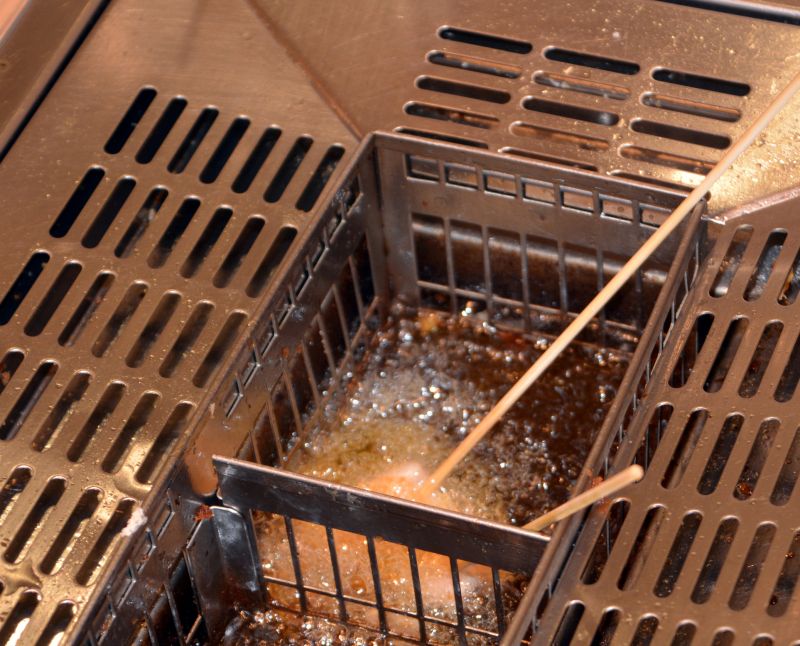
When comparing grease trap pumping service providers in Port Charlotte, FL, it’s important to consider their experience with projects similar to your needs. Service providers who have handled a variety of grease trap sizes and types in commercial or residential settings tend to be more familiar with the specific requirements and challenges that can arise. An experienced local contractor can often offer insights into best practices and common issues, helping to ensure the job is completed efficiently and effectively. Asking about the duration of their experience with projects like yours can provide a clearer picture of their familiarity with local conditions and industry standards.
Clear, written expectations are essential when choosing a grease trap pumping service. A reputable local contractor should be able to provide detailed information about what the service includes, such as the scope of work, disposal procedures, and any follow-up recommendations. Having these expectations documented helps prevent misunderstandings and ensures that both parties are aligned on the work to be performed. Homeowners should feel comfortable requesting written estimates or service agreements that outline the specifics of the job, which can serve as a reference throughout the project.
Reputation and communication are key factors in selecting a reliable service provider. Reputable local contractors often have references or reviews that can be verified to confirm their quality of work and professionalism. Good communication skills are equally important, as they facilitate clear explanations of the work process, answer questions, and address any concerns promptly. When evaluating options, it’s beneficial to choose service providers known for transparency and responsiveness, as these qualities can contribute to a smoother experience and a successful grease trap pumping service.
Property owners in Port Charlotte, FL use Grease Trap Pumping services for practical projects around their homes and businesses. This guide focuses on everyday jobs and straightforward project options.
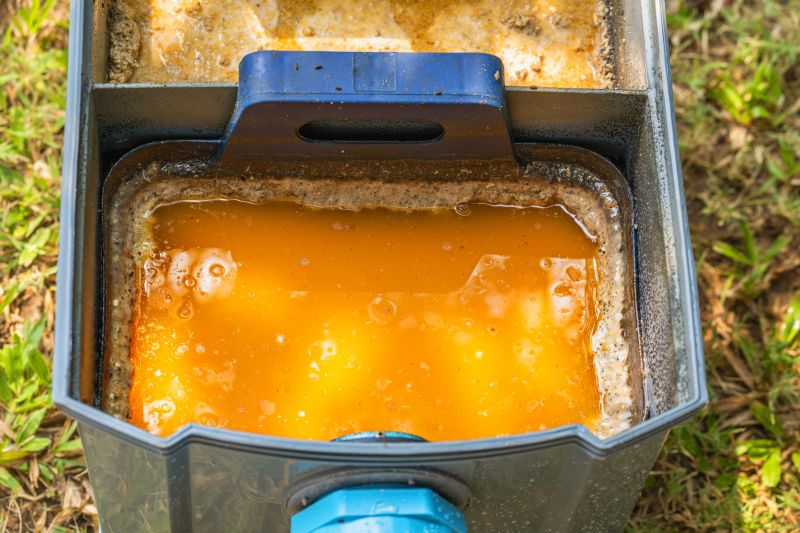
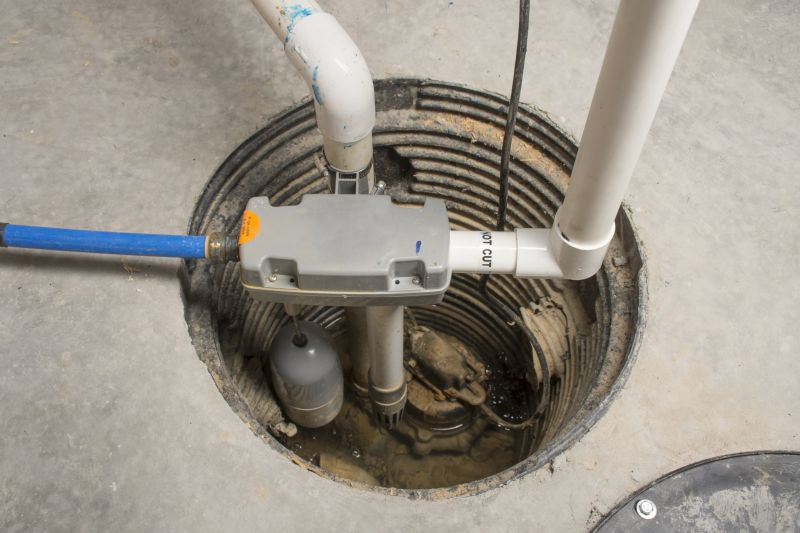
Grease trap pumping services are commonly needed by property owners in Port Charlotte, FL who operate restaurants, cafeterias, or commercial kitchens. Over time, grease and food debris can accumulate in the traps, leading to potential clogs or backups that disrupt daily operations. Local contractors offer professional pumping to help maintain proper flow and prevent costly plumbing issues, ensuring that food service establishments stay compliant with health regulations and avoid unexpected closures.
In residential settings, property owners with large-scale outdoor kitchens or community facilities may also seek grease trap pumping services. Regular maintenance helps prevent foul odors, slow drainage, or pest issues caused by trapped grease buildup. Local service providers are equipped to handle these routine projects efficiently, supporting property owners in keeping their plumbing systems functioning smoothly and avoiding more extensive repairs down the line.
What is grease trap pumping? Grease trap pumping involves removing accumulated fats, oils, and solids from a grease trap to prevent blockages and maintain proper drainage in commercial kitchens and food service establishments.
How often should a grease trap be pumped? The frequency of pumping depends on the size of the trap and the volume of kitchen waste, but local contractors can assess and recommend a suitable schedule for specific needs.
Why is regular grease trap maintenance important? Regular maintenance helps prevent foul odors, backups, and costly plumbing issues by ensuring the grease trap functions effectively and complies with local regulations.
What signs indicate a grease trap needs to be pumped? Signs include slow drains, foul odors around the trap area, or visible grease buildup, which may signal that the trap requires servicing by a local service provider.
How do local contractors handle grease trap pumping? Service providers typically use specialized equipment to safely extract and dispose of grease and solids, ensuring the system remains clean and operational.
Preventing Plumbing Blockages - Regular grease trap pumping helps property owners avoid costly backups in commercial kitchens or food service areas.
Maintaining Proper Waste Management - Properly serviced grease traps support efficient waste flow for restaurants, cafeterias, and catering facilities.
Complying with Local Regulations - Ensuring grease traps are pumped on schedule can help property owners meet municipal and health department requirements.
Protecting Drain Systems - Routine pumping by local contractors helps preserve the longevity of plumbing infrastructure in residential and commercial properties.
If you are thinking about Grease Trap Pumping for a property in Port Charlotte, FL, this guide is meant to help you understand the work, the typical project types, and how different options might fit your plans.
When you are ready, you can use the quote form on this page to share a few details about your project. From there, local pros can review the basics and respond with options that match what you have in mind.